Step-by-Step Guide to WUI Fire Planning for Communities
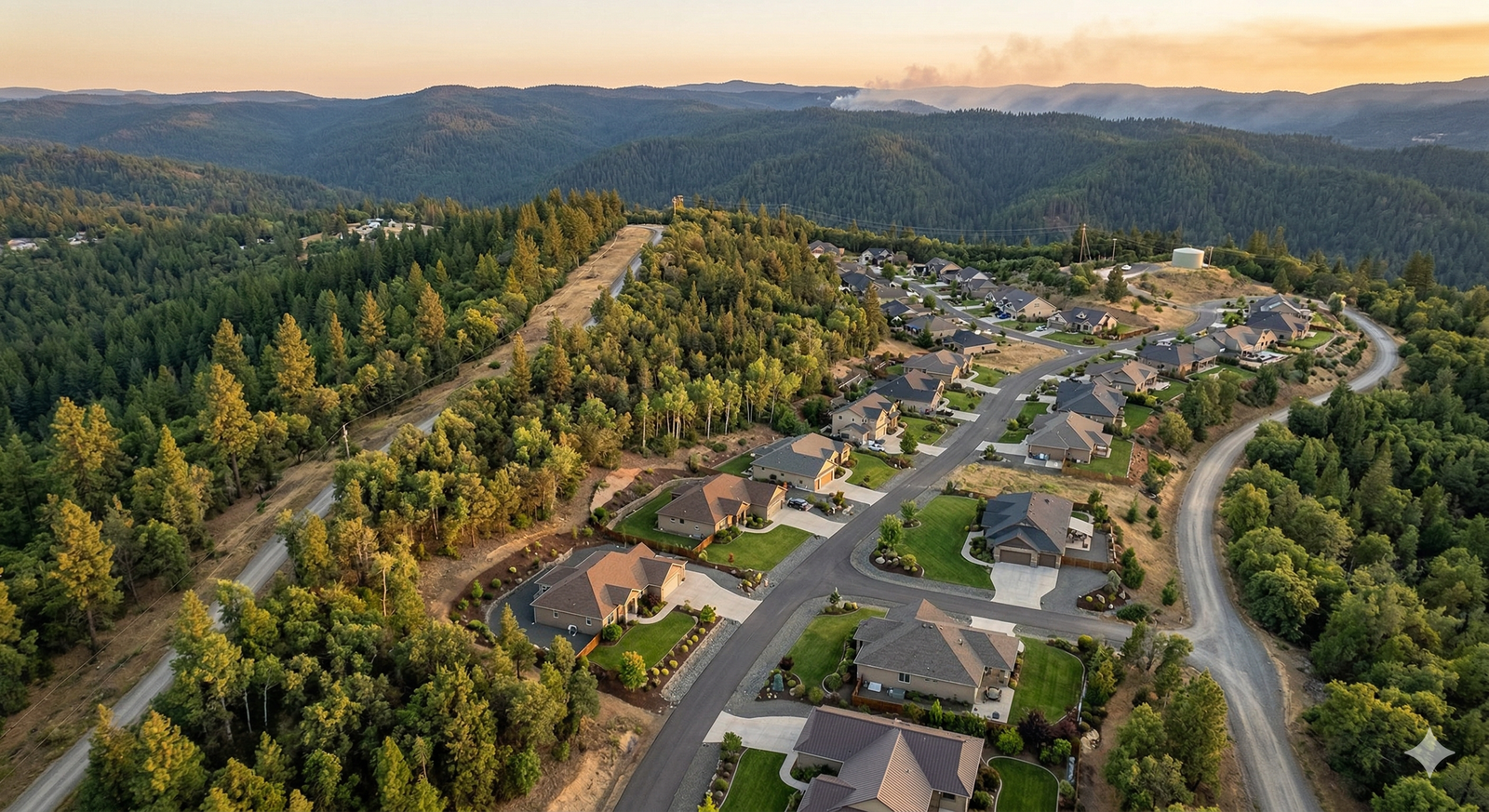
Understanding WUI Fire Risk Assessment
Every effective wildland-urban interface fire plan begins with a thorough risk assessment. This foundational step requires analyzing fuel loads, topography, weather patterns, and structural vulnerabilities across your community's WUI zones.
Start by mapping your community's WUI boundaries using NFPA 1144 standards. Identify high-risk areas where wildland fuels meet residential or commercial structures within 1.5 miles. Document fuel types, slopes greater than 30%, and prevailing wind patterns that could accelerate fire spread.
Conduct structure assessments focusing on roofing materials, siding, windows, and defensible space around buildings. Use standardized rating systems like the Wildfire Hazard Severity Scale to prioritize mitigation efforts and resource allocation.
Stakeholder Engagement and Team Building
Successful WUI planning requires collaboration across multiple agencies and community groups. Form a core planning team including fire department leadership, emergency management, planning departments, utility companies, and community representatives.
Schedule regular planning meetings with clear agendas and defined roles. Include neighboring jurisdictions, state forestry agencies, and federal partners when appropriate. Document all stakeholder commitments and establish communication protocols for plan development and implementation phases.
Engage homeowners associations, business groups, and vulnerable populations early in the process. Their input ensures plans address real community needs and builds support for implementation requirements.
Creating Defensible Space Standards
Develop clear, enforceable defensible space requirements based on local conditions and state regulations. Most effective programs establish three zones: immediate (0-5 feet), intermediate (5-30 feet), and extended (30-100+ feet) around structures.
Zone 1 requires non-combustible materials, proper plant selection, and regular maintenance. Zone 2 allows selective vegetation management with strategic fuel breaks. Zone 3 focuses on forest thinning and reducing ladder fuels that allow ground fires to reach tree crowns.
Create detailed vegetation management guidelines specifying allowed species, spacing requirements, and maintenance schedules. Include enforcement mechanisms and educational resources to help property owners comply with standards.
Evacuation Planning and Route Mapping
Map all evacuation routes considering capacity, conditions, and potential failure points during wildfire events. Identify primary and secondary routes for each neighborhood, accounting for traffic congestion and road conditions during emergencies.
Establish trigger points for evacuation decisions based on weather conditions, fire behavior, and resource availability. Develop phased evacuation procedures starting with highest-risk areas and vulnerable populations including elderly residents, schools, and healthcare facilities.
Test evacuation routes under various scenarios including night conditions, adverse weather, and compromised infrastructure. Document timing estimates and capacity limitations to inform decision-making during actual events.
Resource Coordination Framework
Catalog available firefighting resources including personnel, equipment, and water sources. Document mutual aid agreements with neighboring agencies and establish clear protocols for requesting additional resources through state and federal channels.
Identify critical infrastructure requiring protection including power substations, communication towers, hospitals, and water treatment facilities. Develop specific protection strategies and resource allocation plans for these high-priority assets.
Coordinate with utility companies on power shut-off procedures, backup power systems, and restoration priorities following wildfire events. Ensure plans address extended power outages and communication system failures.
Public Education and Outreach Strategy
Develop comprehensive educational programs targeting residents, businesses, and visitors. Create materials in multiple languages and formats including printed guides, websites, social media campaigns, and community presentations.
Focus education on home hardening techniques, defensible space creation, evacuation procedures, and emergency supply preparation. Provide specific guidance for different property types and risk levels throughout your WUI areas.
Establish ongoing communication channels including emergency notification systems, community meetings, and partnerships with local media outlets. Regular outreach builds awareness and ensures community preparedness remains current.
Plan Implementation and Maintenance
Create detailed implementation timelines with specific milestones, responsible parties, and success metrics. Establish funding mechanisms including grants, fees, and budget allocations to support ongoing program activities.
Schedule regular plan reviews and updates incorporating lessons learned from actual events, exercises, and changing community conditions. Update risk assessments, evacuation routes, and resource inventories annually or following significant changes.
Conduct tabletop exercises and community drills to test plan effectiveness and identify improvement opportunities. Document exercise outcomes and incorporate findings into plan revisions and training programs.
Managing the complexity of WUI fire planning requires significant coordination across multiple agencies, detailed documentation, and ongoing maintenance. Advanced planning platforms can streamline stakeholder collaboration, automate plan updates, and ensure critical information remains accessible during emergencies, allowing your team to focus on protecting your community rather than managing paperwork.
See HazReady on your jurisdiction
Every agency has its own procedures, hazards, and mutual aid picture. The quickest way to tell whether this fits yours is to see it working against your own material rather than a generic demo. Book a walkthrough for your agency.